

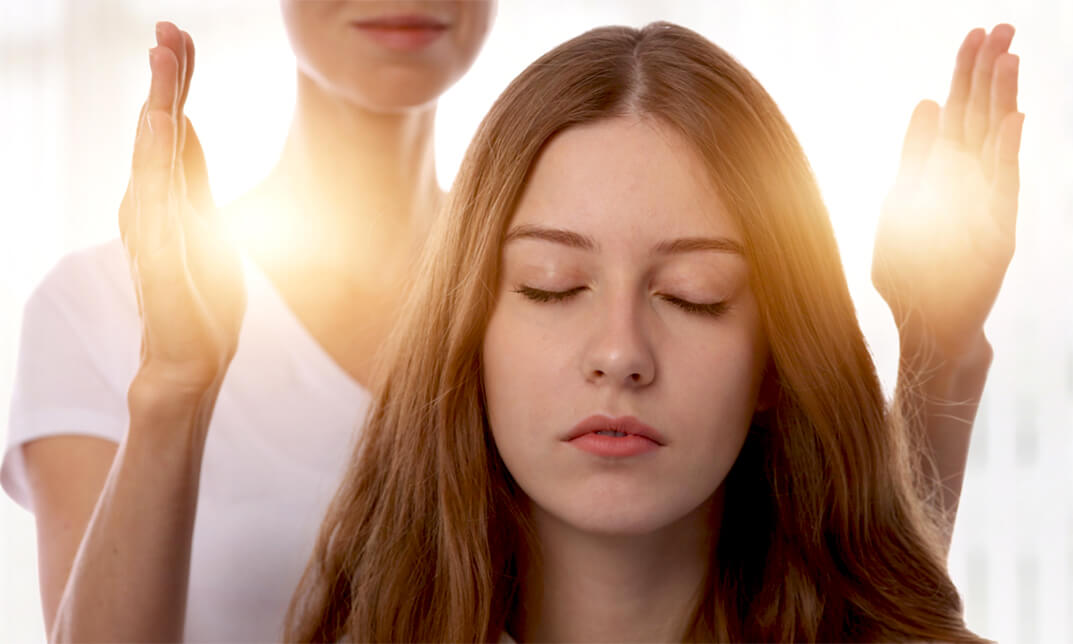
Have you ever laid down at the end of a long day and thought, “I need to feel like myself again”? That quiet longing is where many people first meet Reiki, a gentle practice some people use for relaxation and personal reflection.
Some people weave Reiki into their feminine energy practices, and I love that, because feminine energy means something different to everyone.
Together we’ll explore emotional awareness, what a Reiki session looks like, personal boundaries, grounding, and caring for yourself afterwards. Take what feels useful and leave the rest. After all, you’re in charge of your own experience, and I’ll remind you of that.
What Is the Connection Between Reiki Healing and Feminine Energy?
Some people connect Reiki and feminine energy through a mind-body-spirit view of wellness, where intuition, self-awareness, receptivity and self-compassion feel linked. Those qualities belong to anyone, never only to women and what divine feminine energy means to you is yours to decide.
Within Reiki traditions and personal beliefs, energy and intention are often understood as ways of turning your attention inward. Feminine expression has no single, fixed definition, so I don’t hand anyone a script. You get to decide what feels true for you.
How Reiki May Support Emotional Awareness and Relaxation
A quiet Reiki session may give you time to slow down, relax and notice your thoughts and feelings. Most of us rarely get that pause, so stillness can feel unusual at first. Treat these as possible personal experiences rather than guaranteed effects. A session may offer these 6 possibilities:
- Quiet reflection: A quiet environment can provide you with some room to reflect on what’s in your mind without any pressure to solve that.
- Stress awareness: Self-awareness of stress may be difficult to identify during the day, but this will be made easier by taking a break.
- Relaxation: The quiet atmosphere and the slow pace of the session can be very relaxing for some.
- Emotional observation: You can experience an emotion without having to rationalize or change it immediately.
- Self-compassion: Reflection can help to support you with your difficulties, the same way you would support a friend.
- Mindful presence: Being mindful, or present, can make you more aware of what you’re feeling throughout the experience.
4 Elements of a Reiki Session Focused on Personal Alignment
Although there are many elements that can be familiar to a Reiki session, they are dependent on the practitioner and your preferences. We begin each session with a check-in about how you feel and what you would like to focus on in the session, which leads into these four:
- Personal intention: You can set an intention for the session, for example, relaxation, self-awareness or self-compassion.
- Comfortable session environment: A quiet room can make a difference in setting a relaxing tone before any other activities start.
- Practitioner-guided Reiki: The practitioner follows their own style of Reiki practice, which can be touch or hands-off, depending upon your agreement.
- Time for reflection: There may be time for reflection at the end of the session where a brief opportunity is given to discuss the experience and what participants would like to take out of it.
What Emotional Experiences Might Arise During Reiki?
There’s no single emotional response to expect, because people react differently to a quiet wellness session. Some feel calm, some feel curious and some feel nothing at all. and every one of those is okay, so let’s look at what people describe:
- Relaxation: Some people may feel calmer during or after the session.
- Emotional awareness: Quiet time may bring attention to feelings that were already present.
- Physical sensations: Some people notice warmth, tingling, or other sensations, though these experiences don’t establish that energy is moving or that healing is happening.
- Unexpected reactions: You may feel unsettled or notice emotions you didn’t expect and you can pause or end the session at any time.
- No noticeable changes: Others notice no particular emotional or physical change, which is also a normal outcome.
How to Prepare for a Reiki Session With Feminine Energy in Mind
A few simple preparations may help you feel comfortable and clear about your preferences before a session. None of them are tests to pass. They’re small ways to feel settled and these 5 are a gentle place to start:
- Personal intentions: Think about what you’d like to focus on, such as rest, reflection, or self-compassion.
- Comfortable setting: Choose a place where you feel physically comfortable and have some privacy.
- Session boundaries: Discuss consent, touch preferences, privacy and any limits with the practitioner before you begin.
- Open expectations: Approach the session without expecting a particular emotional response, since NCCIH notes Reiki hasn’t been clearly shown to be effective for any health-related purpose.
- After-session time: Leave some space afterward to reflect or rest before returning to your routine.
What to Do After a Reiki Session for Emotional Integration
Integration simply means taking time to reflect on your Reiki experience and deciding what, if anything, feels useful to carry into everyday life. Some people want quiet, others want company and both are fine. there’s no right way to handle this part.
You don’t have to decode every sensation or emotion and no fixed timeline exists for processing it. You may notice something right away, days later, or nothing at all and every one of those is fine. Let it be what it is.
Self-care helps here, so let’s take three steps: rest, reflection and everyday habits. If distress lingers, reach out to a qualified mental health professional, because the National Institute of Mental Health advises talking with a provider when symptoms don’t improve despite self-care.
Give Yourself Time to Rest
Some people like a quiet transition after a session, while others feel ready to carry on with their day. Both are normal, so gently listen to your body and let these simple steps guide the first few minutes afterward:
- Take a short break if you feel like resting.
- Drink water according to your usual needs.
- Return to normal activities at a pace that feels comfortable.
- Seek appropriate support if you experience ongoing distress or concerning symptoms.
Reflect on Your Experience
Reflection is a personal choice and you don’t need it to get lasting value from a session. If a few quiet minutes with a notebook sound lovely, these prompts can gently guide you and if they don’t, skip them. nobody’s grading you:
- Write down any thoughts or feelings you want to remember.
- Notice if you felt comfortable and respected during the session.
- Consider if any personal intention still feels meaningful to you.
- Avoid assuming that a particular sensation or emotion has a hidden meaning.
Continue With Everyday Self-Care
Simple, familiar habits can support your general well-being long after a Reiki session ends. You don’t need anything fancy, just small habits you already know feel good, so start with whichever of these feels easiest today:
- Have a consistent sleep schedule.
- Allow time for doing things you like.
- Maintain the connection with trusted people.
- Establish personal limits, if necessary.
- If emotional issues continue or interfere with your life, seek professional assistance.
How Reiki Can Fit Into a Feminine Self-Connection Routine
Reiki can be one optional part of a broader feminine self-connection routine and the session itself is only a small piece. The habits that fill your ordinary week matter just as much for reflection, rest and self-awareness.
These everyday habits stand apart from aftercare, so treat them as a gentle rhythm rather than a to-do list. Pick whichever ones feel inviting, skip the rest and begin with just one of these 6:
- Quiet reflection: Set aside a few minutes to check in with yourself and ask, “How am I doing today?”
- Gentle breath awareness: Notice your natural breathing without forcing deep breaths or expecting a particular result, much like the practices in breathwork and yoga.
- Mindful rest: Take time for quiet rest when it is needed regardless of how long it is, even 10 minutes.
- Journaling: Write down thoughts, feelings or personal plans if this is helpful for you.
- Personal boundaries: Understand your personal comfort level and express it in a polite manner.
- Consistent self-care: Select self-care activities that are realistic based on your time and tastes.
Book a Reiki Healing Session With Teja Valentin for Emotional Balance and Feminine Alignment!
If you’re craving a quiet hour to rest and reflect, a Reiki session can be a gentle start. Reiki is a complementary practice, so it sits beside your medical and mental health care without replacing it and you can ask questions first.
I’m Teja Valentin, a Registered Nurse (BSN) and Master Reiki Practitioner. Each Reiki session begins with a short check-in, then you rest on a table or seated while I use light touch or hands above your body.
You give so much of yourself to everyone else. So what would one peaceful hour just for you feel like? Book your Reiki session today, or message me with questions first and give yourself full permission to rest, reflect and simply be.
Frequently Asked Questions (FAQs)
Q1. What is the connection between Reiki and feminine energy?
Some people connect the two through a mind-body-spirit view of wellness, using Reiki as one practice for personal reflection. Feminine energy means different things to different people and it isn’t limited to women.
Q2. Can Reiki help you become more aware of your emotions?
A quiet session may give you time to notice your thoughts and feelings, though Reiki isn’t proven to improve emotional awareness. NCCIH says it hasn’t been clearly shown to be effective for any health-related purpose.
Q3. What might you feel during or after a Reiki session?
Many people describe calm, warmth, or tingling, while others feel nothing at all and both are normal. Experiences vary widely from one person and one session to the next.
Q4. How can you support emotional well-being after a Reiki session?
Rest, sip water, reflect if you like and return to your routine at your own pace. If distress lingers or worsens, talk with a qualified mental health professional.
