

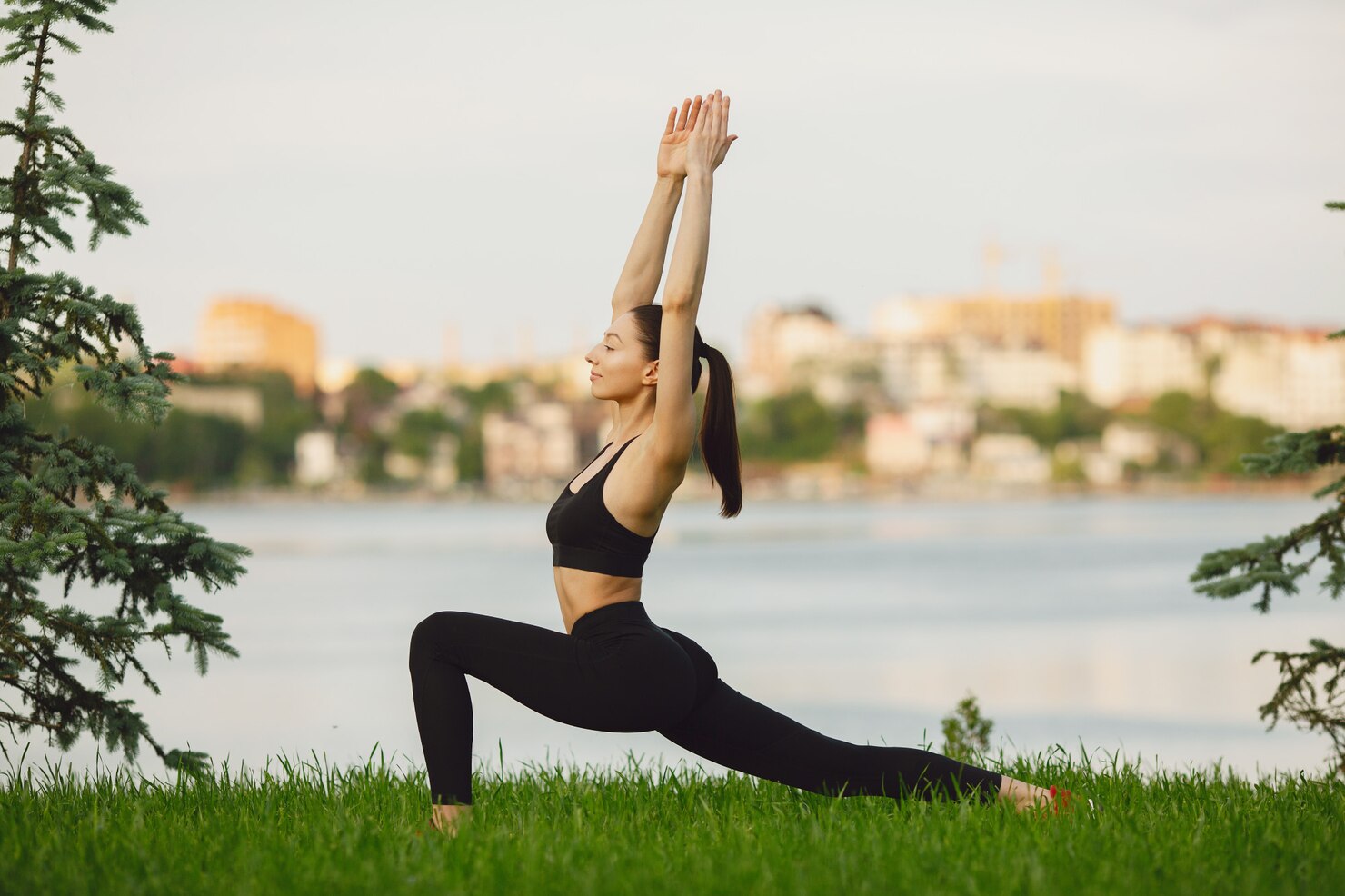
Let’s start with something most of us feel but rarely say out loud. Around 85% of women admit feeling unhappy with how their body looks, at least some of the time and this is supported by an Ipsos survey. And it’s not because anything is actually wrong with them, but because somewhere along the way, we (especially women have) learned to look at our bodies instead of living inside them.
That’s sad, yes, but you know that feeling. When you catch your reflection and quietly pick yourself apart. Moreover, vulnerability makes you want to shrink. We all know those days, when you’re just a little numb, a little disconnected from yourself, yet still, doing all the things, not really feeling like you. Well, there’s something we all feel but unfortunately, no one has the guts to say it out loud: disconnection with the body sits at the root of your confidence, your closeness with the people you love, and even how safe you feel in your own skin.
That’s because true intimacy doesn’t begin with someone else. It begins with the relationship you have with yourself. Read that again! The best part is that there is one gentle way back into that relationship, and that is through YOGA. Definitely, not the version we see in reels and on TV programs that keep on chasing a perfect pose for a photo. The ONLY kind that helps you feel your body again from the inside out. Now, let’s explore more into how yoga actually supports body confidence and connection.
Why Body Connection Is the Foundation of Confidence and Intimacy
So, what does it really mean to feel connected to your body?
Well, it’s simpler than it sounds. In a nutshell, it’s noticing you’re hungry before you’re starving. That’s not all, it also includes feeling your feet on the floor, sensing when your chest tightens with worry, or loosens with relief. Yes, that quiet inner sense of yourself has a name, and it’s called body awareness. And for a lot of women, it goes faint after years of pushing through and trying to hold everything together.
Indeed, when that connection fades, the rest of life also feels it. You start second-guessing yourself, because you can’t quite feel your own YES OR NO anymore. You struggle to stay present, with your partner, your kids, even your own happiness. Self-acceptance, also slips out of reach when your body becomes something you manage rather than something you live in. Bear in mind, disconnection never stays put, either. It quietly seeps into your relationships, your choices, and how worthy you let yourself feel.
However, no need to feel sad, the reverse is possible and just as powerful. When you come back into your body, things start getting steady. Undeniably, a positive, connected body image is linked with better mood, less anxiety, and stronger self-esteem and is proven via numerous researches. Well, there’s a physical reason behind it. Every slow, mindful movement helps regulate your nervous system.
This slow movement is what eases you out of constant fight-or-flight. And, you start feeling a state of safety and that felt sense is exactly where confidence and intimacy are born.
3 Ways Yoga Supports Intimacy, Body Connection & Self-Confidence
Everyone thinks of yoga as a workout,stretches, poses, balance, that kind of thing. And sure, it’s partly that. But ask women who’ve stuck with it that “what actually keeps them coming back,” and they rarely bring up their hamstrings.
It’s something harder to name. In fact, if you’ve noticed, when you’re moving slowly and breathing on purpose, you sort of drop back into yourself. And that is the exact moment you start noticing what you feel again. Understandably, it sounds like a small thing, until you realize how long you’d gone without it. And that noticing doesn’t stay on the mat. It changes how you carry yourself day to day, and it changes how much of yourself you’re willing to let the people close to you actually see.
Below are 3 of the ways that tend to play out.
1. Encourages a Stronger Mind-Body Connection
Shockingly and surprisingly, every single time you match your breath to a movement, you’re practicing the art of paying attention to what’s happening inside you. That skill has a name, interoception, and it’s the foundation of feeling at home in yourself. According to the review of 34 studies, yoga strengthens the brain regions tied to interoception and posture, essentially retraining how well you sense your own body.
- You start noticing physical sensations you used to tune out
- Breath becomes an anchor you can return to anytime
- The noise in your head quiets as you drop into your body
- You relearn the difference between tension and ease
2. Supports Self-Confidence
There’s one thing about confidence and that’s you can’t just talk yourself into it. What actually helps in building it are proofs that your body shows, and thankfully, yoga gives plenty. For instance, when you finally hold a pose that had you toppling over a month ago. Small stuff, sure, but your body keeps scoring, and little by little you start believing you’re more capable than you’d assumed. And that belief walks with you in your daily lives. And it’s not just a feel-good idea, studies show women who do yoga tend to like their bodies more, and pick themselves apart less, than women who don’t.
- Progress is measured by how you feel, not how you look
- Small wins on the mat build self-trust
- You stop performing for the mirror and start living in your skin
- Your inner voice slowly grows kinder
3. Feminine Embodiment
There’s something deeper here too, especially for women. So many of us live from the neck up, cut off from the softer, more intuitive part of ourselves. Yoga, particularly slow, feminine, Kundalini-style practice, invites you back into your whole body – hips, heart and belly included – which is exactly where your intuition and desire actually live.
- You reconnect with your body’s natural rhythms and wisdom
- Movement becomes a way to express, not only to exercise
- You make room for pleasure, softness, and rest without guilt
- You begin trusting what your body is quietly telling you
Relationship Between Yoga and Emotional Intimacy
There’s an old line that we all have seen everywhere that “you can’t love someone else until you love yourself.” It sounds click-bait, yes, but it holds a deeper meaning, especially when it comes down to intimacy.
Don’t trust it, well, think about the last time you really let someone see you, the messy, unedited version. A little scary, right? That kind of closeness only happens when you feel safe, and safe isn’t something you can force. This is where yoga is so useful. Because, every time you hold a hard pose and keep breathing instead of bailing, do you know you’re practicing sitting with discomfort without panicking? You didn’t realize it until you think about it, right? Well it’s this same skill that lets you stay open with a partner when even things get awkward unlike others.
That’s not all, the more you practice it alone, the more it turns up in your relationships. You start naming what you need instead of hoping people will guess. You let someone in close without bracing like you’re about to get hurt. None of that comes from trying harder to be a good partner, it comes from feeling more at home in yourself. Get that part sorted, and closeness stops feeling so risky.
Why Personalized Yoga Coaching Creates Deeper Transformation
Of course, you can absolutely begin this journey with a video and a quiet corner of your living room. But there’s a reason personalized coaching tends to go so much deeper. A general class teaches you poses. A coach who knows your story meets you where you truly are, your history, your body, the emotional knots you’re still working through. And shapes the whole practice and movements around you.
Your personalized yoga teacher would notice what you can’t see yet, adjust as you grow, and hold steady space for the harder feelings that inevitably surface along the way. That kind of tailored, one-on-one attention is where surface-level movement becomes something that actually changes you. Here’s what sets it apart:
- Personalized guidance built around your specific goals
- A practice designed to support emotional growth, not just flexibility
- Accountability and steady support between your sessions
- A holistic approach that gently addresses emotional and energetic blocks
What to Expect From a Yoga Coaching Session for Intimacy
First-timer nerves are normal, so don’t worry if you’ve got them. A good session is gentle by design: no pushing, no judging, no keeping up with anyone. You don’t have to be flexible or know a single pose. You just have to show up. What you’ll get is a quiet, safe hour to reconnect with yourself, on your terms. Here’s how it usually plays out:
- Personalized Plan: Shaped around your body, your comfort level, and where you want to get to.
- A space to exhale: Warm, private, and completely free of judgment.
- Zero experience needed: Clear, easy guidance, even if you’ve never done yoga.
- Set the goal: Time upfront to figure out what you actually want from a session.
- Support that sticks around: Check-ins and encouragement that don’t stop when the session ends.
Book a Personalized Online Yoga Coaching Session Today
Reconnecting with your body isn’t indulgent, and it’s definitely not about vanity. It’s the thing everything else quietly stands on, whether you feel confident, how close you let people get, whether you actually enjoy being in your own skin. You don’t have to have it all figured out. You just have to start somewhere.
That’s exactly what Teja Valentin helps women do. She pairs her background as a nurse with years of Reiki and Kundalini yoga to guide you gently back to yourself. If you want to feel more at home in your body and more open with the people who matter, take a look at online yoga coaching and book a session. Come as you are, that’s the only requirement.
Frequently Asked Questions (FAQs)
Q1. How does yoga help self-confidence?
By giving you proof instead of pep talks. Every time you manage a pose or a balance you couldn’t do before, your body clocks a small win, and those wins add up into real self-trust. Women who do yoga also tend to feel kinder toward their bodies.
Q2. How does couples yoga improve intimacy?
Moving and breathing together builds trust and gets you used to being present with each other without saying a word. That easy, in-sync feeling on the mat has a way of following you off it, into both emotional and physical closeness.
Q3. Can yoga help with kyphosis?
Absolutely! Even research proves it. A UCLA randomized trial found a targeted yoga program reduced hyperkyphosis, the exaggerated upper-back curve, in older adults. Yoga helps strengthen the muscles that hold your spine tall.
Q4. How does yoga relate to mind-body connection?
Yoga is basically the mind-body connection in practice. Linking your breath to movement trains you to notice what you’re feeling inside, called interoception, which is the very thing that lets your mind and body work as one.
