


Have you ever wanted to feel closer to your partner, enjoy being touched or just feel more comfortable expressing what you want. but something holds you back? Maybe you’re thinking about your body, worrying about how you look or wondering if your partner finds you attractive.
And it’s not always about your partner. Sometimes, you struggle to understand your own desires. You might want more physical affection, deeper conversations, passionate moments or the freedom to enjoy intimacy without constantly thinking about how you’re being perceived.
Perhaps you’ve stopped initiating intimacy because you don’t feel confident, or you find it difficult to tell your partner what actually feels good. You want to enjoy those private moments, but instead, your mind is busy questioning everything. Does my body look okay? Am I being too much?

These thoughts can affect your sexual confidence and emotional connection. But here’s something worth remembering. you deserve to experience pleasure, express your desires and feel wanted without being ashamed of your body or needs. That’s where online intimacy coaching with Teja Valentin can help.
Why Women May Lose Confidence in Their Intimate Relationships
Sometimes, the hardest part of intimacy isn’t physical closeness. it’s feeling comfortable enough to let yourself enjoy it. You might be lying next to someone you love, wanting affection, but instead of relaxing, you’re worrying about your appearance, your reactions or what they’re thinking.
Maybe a previous partner made a comment about your weight, your body or your sexual preferences. Perhaps someone made you feel undesirable when you expressed your needs. Even if those moments happened years ago, they can still affect how comfortable you feel during intimate experiences.
And sometimes, nobody has actually said anything hurtful. You’ve simply spent years comparing your body with women on social media, watching unrealistic romantic scenes or believing that you need to look and behave a certain way to remain desirable. Eventually, those comparisons start affecting your confidence.

This can become especially difficult when you’re physically close to someone. Instead of enjoying their touch, kissing or exploring what feels pleasurable, you start thinking about how your stomach looks, whether your skin looks perfect or whether your partner notices your insecurities.
Intimacy shouldn’t feel like you’re constantly being watched or judged. it should feel like you’re allowed to enjoy yourself. You should be able to communicate what feels good, explore your desires and feel comfortable saying when something doesn’t.
Research also highlights the connection between self-image and intimate experiences. A 2026 systematic review in Sexuality & Culture, covering 19 studies and 12,482 participants, found that self-esteem and body image are positively linked to sexual satisfaction. Communication also plays an important role, while cultural beauty ideals influence these connections.

Your past relationships can influence your confidence, too. If someone dismissed your desires, ignored your boundaries or made you feel uncomfortable expressing sexual preferences, you might hesitate before opening up again. Understanding these experiences can help you begin rebuilding trust in yourself.
How Intimacy Coaching Helps Women Recognize Their Own Needs and Desires
Here’s a question. do you actually know what makes you feel desired, emotionally connected and sexually fulfilled? Not what you’ve seen in movies or what someone else enjoys, but what makes you feel good during those private moments?
Many women know how to respond to their partner’s needs but struggle to communicate their own. They might enjoy certain kinds of affection, want more foreplay, prefer slower intimacy or desire deeper emotional connection before becoming physically close.
Sometimes, you may not even know how to explain what you want. You just know something feels missing. Online intimacy coaching gives you room to explore these feelings, understand your preferences and become more comfortable discussing your desires.
This exploration can help you understand several important parts of your intimate life:

- Personal Preferences: Discover the kinds of touch, kissing, physical affection and intimate experiences that genuinely make you feel comfortable and excited.
- Emotional Needs: Understand why affection, reassurance, trust and feeling appreciated can make physical intimacy more enjoyable.
- Intimate Expectations: Recognize the difference between what you genuinely desire and what you’ve been taught to expect from yourself.
- Individual Comfort: Become more comfortable expressing your yeses, maybes and nos, including the things you’re curious about but haven’t explored.
- Personal Fulfillment: Understand what sexual satisfaction and emotional connection mean to you instead of measuring your experiences against someone else’s.
5 Ways Online Intimacy Coaching Can Strengthen a Woman’s Confidence
Think about the difference between being physically present during intimacy and actually enjoying every moment. When you’re comfortable with yourself, you don’t have to spend the entire time worrying about your appearance, your reactions or whether you’re pleasing someone else.
You can become more present, express what you enjoy and communicate when you’d like something to change. That’s why developing sexual confidence involves more than simply feeling attractive. it also means understanding your desires and allowing yourself to experience pleasure without unnecessary shame.
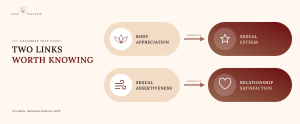
A December 2025 study in Behavioral Sciences involving 473 adults found that body appreciation was linked with sexual esteem, while sexual assertiveness was linked with greater relationship satisfaction. This highlights why feeling comfortable with your body and expressing your needs both matter.
Here are 5 ways intimacy coaching can support that change:
- Recognizing Personal Strengths: Stop treating your body like something that needs constant fixing. Start appreciating your sensuality, personality and the qualities that make you feel attractive and confident.
- Expressing Thoughts Openly: Become comfortable telling your partner what you enjoy, what kind of affection you like and what you’d love to experience more often.
- Reducing Self-Doubt: Work through the negative thoughts that interrupt intimate moments, so you can focus more on connection, physical pleasure and enjoying yourself.
- Accepting Individual Preferences: Understand that your desires don’t have to match your partner’s or anyone else’s. You can have your own preferences without feeling embarrassed.
- Developing Self-Advocacy: Build the confidence to ask for more affection, communicate your boundaries and express your sexual needs without feeling selfish or guilty.
How Body Awareness Can Help Women Feel More Comfortable With Intimacy
Your relationship with your body affects more than how you feel when you look in the mirror. It can also influence how comfortable you feel being touched, receiving affection and enjoying physical closeness. When you’re constantly judging your appearance, relaxing during intimacy becomes difficult.
Maybe you avoid certain positions because you feel uncomfortable about your stomach. Perhaps you keep the lights off because you’re worried about how your body looks. Or you find yourself pulling away when your partner touches an area you’re insecure about.
These experiences can make physical intimacy feel less enjoyable than it should. Instead of focusing on the sensation of a kiss, a gentle touch or your partner’s closeness, your attention keeps returning to everything you dislike about yourself.
Your body isn’t something you need to apologise for. it’s something you deserve to feel connected with. Body awareness helps you notice physical sensations, understand your comfort levels and recognise what makes you feel relaxed, excited or emotionally connected.
Online intimacy coaching may include breathing exercises, gentle movement and mindful activities that encourage you to reconnect with your body. These practices can help you become more aware of physical sensations instead of constantly judging how you look or worrying about your reactions.

Research also supports the importance of these practices. A 2025 meta-analysis in Scientific Reports found that mindfulness-based programmes lead to adaptive changes in how people experience body awareness. Another 2025 meta-analysis of mindfulness-based cognitive therapies found improvements in women’s sexual function, along with reduced sexual distress.

Researchers have also explored how body connection and self-compassion influence online programmes for women with low sexual desire. This research highlights why reconnecting with your body and understanding your emotions can matter when working towards more satisfying intimate experiences.
Another important part of this journey is learning to enjoy physical closeness without constantly worrying about your appearance. You deserve to feel attractive when you’re naked, enjoy being kissed and receive affection without comparing yourself with someone else’s body or beauty standards.
You might also discover that your physical comfort changes with your emotional state. Sometimes, you need more affection, slower touch or time to relax before feeling interested in intimacy. Practices like Kundalini yoga and yoni egg coaching may also help you explore body connection through breathing, sound and mindful movement.
Rebuilding Comfort With Vulnerability Without Feeling Pressured
There’s something deeply personal about letting someone see the parts of you that you usually keep hidden. It could be telling your partner about a fantasy, admitting that you feel insecure about your body or explaining why certain kinds of touch make you uncomfortable.
You might want to share these feelings but worry about their reaction. What if they laugh? What if they misunderstand? What if they don’t respond the way you hoped? These fears can make even simple conversations about intimacy feel uncomfortable.
That’s why vulnerability needs patience. You shouldn’t have to share your deepest insecurities, sexual experiences or personal desires before you’re ready. Online intimacy coaching can give you space to explore these feelings without pressure or expectations.

Understanding Emotional Vulnerability
Being emotionally vulnerable doesn’t mean telling someone everything about yourself. It means becoming comfortable enough to express your genuine feelings, including the ones you sometimes struggle to admit. Perhaps you want more affection, feel insecure during sex or miss feeling desired.
You might also find it difficult to talk about fantasies, sexual preferences or experiences you’ve always wanted to explore. There’s nothing wrong with having questions about your desires. Understanding them is part of getting to know yourself better.
You can begin by:
- Sharing your feelings at a pace that feels comfortable.
- Starting with small conversations about affection, attraction and personal preferences.
- Understanding that your partner doesn’t have to fix every emotion you experience.
- Recognising the reasons you sometimes hide your feelings or avoid intimate conversations.
Developing Emotional Safety
Imagine being able to tell someone what you enjoy, what makes you uncomfortable or what you’d like to try without worrying about being judged. That’s the kind of emotional safety that can make honest communication and physical closeness feel more comfortable.
When you feel emotionally safe, you’re more likely to express your needs, communicate your boundaries and enjoy affection without constantly questioning yourself. Trauma-informed coaching focuses on creating a confidential, supportive space where you can explore these feelings at your own pace.
Some practices that may support this process include:
- Having a private space where you can discuss personal feelings without judgment.
- Exploring breathing exercises and calming practices when you feel overwhelmed.
- Setting clear boundaries around the topics and pace of your sessions.
- Exploring gentle emotional practices, such as a Reiki session, as part of your personal wellbeing journey.
Practicing Openness Gradually
You don’t have to start by discussing your deepest sexual desires or sharing every insecurity with your partner. Sometimes, it begins with telling them that you enjoy longer kisses, want more cuddling or would love to spend more time being physically affectionate.
Once these conversations become easier, you may feel more comfortable discussing sexual preferences, fantasies and things you’d like to explore together. The important thing is that both people feel respected, listened to and free to express their boundaries.
You can practise openness by:
- Talking about the kind of affection and physical closeness you enjoy.
- Sharing one personal preference instead of trying to discuss everything together.
- Listening to your partner’s feelings while also making room for your own.
- Appreciating small moments when you communicate honestly and feel understood.

Developing the Confidence to Communicate Boundaries and Preferences
Let’s talk about something that can completely change how you experience intimacy. feeling comfortable enough to say what you want. You should be able to ask for more kissing, slower touch, additional foreplay or simply a different approach without feeling embarrassed.
And just as importantly, you should be able to say when something doesn’t feel good. Maybe you’re not in the mood, don’t enjoy a particular kind of touch or need more time before becoming physically intimate. You never owe anyone physical intimacy, even when you’re in a relationship.
Sometimes, women stay quiet because they don’t want to disappoint their partners. But intimacy becomes more enjoyable when both people can express their preferences honestly. Coaching can help you practise these conversations and become more comfortable communicating your needs.
Here are some important skills you can develop:
- Saying No Comfortably: Understand that you can decline physical intimacy, stop an activity or change your mind without feeling guilty about your decision.
- Expressing Personal Limits: Become comfortable explaining which kinds of touch, physical affection and intimate activities feel right for you.
- Asking for Emotional Support: Learn to communicate when you need reassurance, affection or a little more patience from your partner.
- Communicating Intimate Preferences: Find the words to discuss what you enjoy, what you’d like more of and which experiences you’re curious about exploring.
- Responding to Uncomfortable Situations: Build confidence in speaking up when something feels wrong and making sure your physical and emotional boundaries are respected
Book Your Online Intimacy Coaching Consultation With Teja Valentin Today!
Maybe you miss feeling attractive without questioning every little thing about your body. Maybe you want to enjoy kissing, touching and physical closeness without worrying about how you look. Or perhaps you simply want to feel comfortable telling someone what you desire.
I’m Teja Valentin, and I believe women deserve to enjoy their intimate lives without carrying unnecessary shame, insecurity or fear of judgment. Through my online intimacy coaching, I offer a private space where you can explore your desires, understand your emotions and reconnect with your sensual side.
You don’t have to keep hiding your desires, pretending you’re comfortable or putting your own needs last. You deserve affection, pleasure, confidence and a relationship where your feelings matter. Book your online intimacy coaching session with me, Teja Valentin. Let’s help you feel more connected with your body, more confident with your desires and more comfortable being yourself.

Frequently Asked Questions (FAQs)
Q1. What is online intimacy coaching for women?
Online intimacy coaching helps women understand their sexual desires, build confidence, improve communication and feel more comfortable with physical and emotional closeness. Sessions take place online and follow your personal needs and comfort level.
Q2. Can intimacy coaching help if I’m single?
Absolutely! You don’t need a partner to explore your sensuality or understand your desires. Coaching can help you build sexual confidence, recognise your preferences, practise boundaries and feel more comfortable with yourself.
Q3. Is intimacy coaching the same as therapy?
No. Coaching focuses on self-awareness, communication and confidence-building, while therapy addresses mental health conditions and clinical concerns. If you’re experiencing trauma, ongoing pain or emotional distress, consider working with a licensed therapist or doctor.
Q4. How do I know if I’m ready for intimacy coaching?
If you struggle with body confidence, feel disconnected from your desires or find it difficult to express your intimate needs, coaching may help. You don’t need all the answers. just a willingness to understand yourself better.
