


You spend your day taking care of everything… answering emails, attending meetings, managing deadlines, looking after family, and making sure nothing gets missed. But when was the last time you actually stopped and asked yourself, “How am I doing?”
You might finish work feeling completely exhausted, yet your mind refuses to slow down. You’re thinking about tomorrow’s meetings, unfinished tasks, household responsibilities and everything else waiting for you. Even when you finally sit down, relaxing somehow feels like another thing you’re failing to do.
And perhaps the hardest part is that everyone sees you as the woman who can handle everything. You’re dependable, hardworking and always there when someone needs you. But underneath all that responsibility, you might be wishing someone would remind you to take care of yourself, too.
You’re not alone in feeling this way. The 2025 Women in the Workplace report from McKinsey and LeanIn.Org found that about 60% of senior-level women report frequent burnout, compared with 50% of senior men. Burnout among senior women was also at its highest level in five years.

So, if you’re constantly tired, mentally overwhelmed or struggling to enjoy your free time, it’s time to stop pushing yourself so hard. Gentle yoga can give you a little breathing room… a chance to move, relax and reconnect with yourself without adding another demanding task to your day.
Why High-Achieving Women Often Struggle to Make Time for Themselves
If you’re someone who always has something to finish, taking time for yourself might feel surprisingly difficult. Even when you have an hour free, your mind starts reminding you about laundry, emails, family responsibilities or that one task you haven’t completed yet.
Maybe you’re the person everyone depends on. At work, you’re expected to meet deadlines and solve problems. At home, you’re remembering appointments, helping family members and making sure everyone has what they need. Somewhere between all these responsibilities, your own needs keep getting postponed.

And when you finally get some time alone, you might not even know what to do with it. Instead of enjoying a quiet moment, you start feeling guilty about sitting around. Does that sound familiar? It’s exhausting when even resting makes you feel like you’re doing something wrong.
Perfectionism can make things harder, too. You might feel that everything needs to be done properly, that asking for help means you’re not managing well enough or that taking a break will put you behind. So, you keep going… even when you’re already exhausted.
The problem is that the habits helping you succeed can sometimes leave you completely drained. Always saying yes, taking on extra work and expecting yourself to manage everything might look like strength, but your body needs time to recover, too.
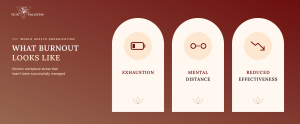
The World Health Organization describes burnout as a syndrome resulting from chronic workplace stress that hasn’t been successfully managed. It involves exhaustion, mental distance from work and reduced effectiveness. Recognising these signs matters… you don’t have to wait until you completely burn out before taking care of yourself.
6 Signs Your High-Performance Lifestyle Is Leaving You Physically and Mentally Drained
Sometimes, you become so used to feeling tired that you stop noticing how exhausted you actually are. You keep attending meetings, completing tasks and showing up for everyone… but inside, you might feel like you have nothing left to give.
The difficult part is that burnout doesn’t always look like staying in bed all day. You might still be productive, meet your deadlines and manage responsibilities while struggling emotionally and physically. Pay attention if you’ve started noticing these changes:
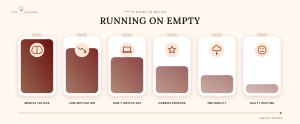
- Persistent Mental Fatigue: You wake up tired even after sleeping, struggle to concentrate and find simple decisions more exhausting than they used to be.
- Reduced Personal Motivation: Activities, hobbies and personal goals that once made you happy suddenly feel like responsibilities you don’t have the energy to enjoy.
- Difficulty Switching Off: You’ve closed your laptop, but your mind is still thinking about emails, tomorrow’s meetings and everything you haven’t finished.
- Neglected Personal Interests: You keep cancelling plans, avoiding hobbies and putting off things you enjoy because there’s always something more important to do.
- Irritability and Frustration: Small things that wouldn’t normally bother you suddenly feel overwhelming, and you find yourself getting frustrated more easily.
- Feeling Guilty About Resting: Even when your body needs a break, you feel uncomfortable sitting still and start looking for something productive to do.
If several of these signs sound familiar, don’t immediately blame yourself for not managing your time better. Sometimes, the problem isn’t your schedule… it’s that you’ve been expecting yourself to operate without enough rest for far too long.
How Yoga Addresses the Physical Strain of a Demanding Work Routine
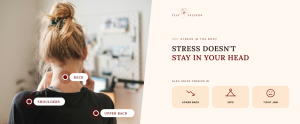
Have you noticed how your body feels after spending an entire day working? Your shoulders might feel heavy, your neck becomes stiff and your lower back starts aching. Even your jaw might feel tight because you’ve been concentrating for hours without realising it.
Stress doesn’t stay inside your head. It can show up through physical tension, changes in breathing and discomfort throughout your body. This is where yoga can help… giving you an opportunity to move gently, release tension and pay attention to how you’re feeling.
Teja’s online yoga classes are designed with women’s needs in mind, offering practices that help you reconnect with your body without feeling pressured to perform. Let’s look at a few ways yoga can support you when everyday responsibilities become physically exhausting.
Releasing Tension From Prolonged Sitting
If you spend most of your working day sitting at a desk, you probably know that uncomfortable feeling when you finally stand up. Your hips feel tight, your shoulders are stiff and your neck needs a little attention. Gentle yoga movements can help you move after hours of sitting.
You don’t need an entire workout to give your body some attention. A few simple movements between meetings or during your lunch break can help you feel less stiff and give you a much-needed pause from your screen.
- Seated twists and side stretches gently move your spine after long hours at your desk.
- Neck and shoulder rolls help ease tension that builds up while working on screens.
- Hip-opening poses help you move areas that often feel tight after prolonged sitting.
- Slow breathing encourages you to relax your jaw, shoulders and other tense areas.

Addressing Physical Stiffness
Sometimes, you don’t realise how stiff your body has become until you finally start stretching. You might notice tightness in your hips, discomfort in your back or difficulty moving comfortably after sitting for hours. Yoga helps you explore these movements without turning flexibility into another goal.
And no… you don’t need to touch your toes or perform complicated poses to enjoy yoga. The idea is to move in ways that feel comfortable, notice what your body needs and gradually become more familiar with your physical limits.

- Gentle forward folds and cat-cow movements help you move your back and spine.
- Supported stretches allow you to work with tight hamstrings and hips comfortably.
- Clear alignment instructions help you understand how to position your body.
- Modifications let you adjust movements according to your flexibility and comfort.
Rebuilding a Connection With Your Body
When your entire day revolves around deadlines, responsibilities and other people’s expectations, you can easily forget how you’re actually feeling. You notice your calendar, your emails and your unfinished tasks… but when do you notice your breathing or physical tension?
Yoga gives you an opportunity to come back to yourself. Instead of constantly thinking about what needs to happen next, you start paying attention to your movements, breathing and the sensations you experience during practice.
- Paying attention to your breathing helps you notice when you’re feeling tense or relaxed.
- Slow movements help you recognise which areas of your body need attention.
- Focusing on comfort rather than perfect poses encourages you to listen to your body.
- Short moments of stillness remind you that your worth isn’t measured by productivity.
Making Space for Physical Recovery
Here’s something many hardworking women forget… you don’t have to finish everything before you deserve to rest. Your body needs recovery even when your to-do list is still full. Waiting until you’re completely exhausted to take a break can make everyday stress harder to manage.
Restorative yoga, gentle breathing and relaxing movements can help you slow down after demanding days. That’s why Teja offers Evening Restoration sessions designed to help you release physical tension, settle your mind and create a calmer transition into bedtime.

- Restorative poses help your body relax after hours of physical and mental pressure.
- Slow, extended exhales encourage calmer breathing and relaxation.
- Evening practices help separate your working hours from your personal time.
- Regular rest supports your ability to feel refreshed and manage everyday responsibilities.
4 Yoga Styles That May Suit Women Managing Professional Burnout
Not every day feels the same, so why should your yoga practice always look the same? Some mornings, you might wake up feeling energetic and ready to move. On other days, even getting out of bed feels difficult… and that’s when gentle movement may suit you better.
The important thing is choosing a practice that matches how you’re feeling instead of forcing yourself into something your body doesn’t need. A 2026 review in the Journal of Ayurveda and Integrative Medicine notes that workplace yoga interventions may improve mood, stress management and well-being. Trials lasting 6 to 8 weeks showed benefits for university employees and healthcare staff.
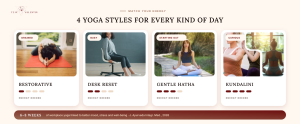
Here are 4 yoga styles that may fit into your routine:
- Kundalini Yoga: Kundalini yoga combines movement, breathing, sound and focus. It may appeal to women looking for a practice that includes mindfulness and emotional exploration, all from the privacy of home.
- Restorative Yoga: If you’re mentally and physically exhausted, supported poses held for longer periods offer a gentler way to slow down and relax, especially during evenings.
- Gentle Hatha Yoga: This style focuses on slower movements and basic poses. It’s a good starting point if you’re new to yoga or returning after taking a long break.
- Breath-Led Desk Resets: Don’t have time to roll out a yoga mat? Short stretches and breathing exercises can fit into your lunch break and give you a moment away from work.
How Perfectionism and Constant Productivity Can Interfere With a Yoga Practice
There’s something many high-achieving women might recognise… turning even their relaxation time into another achievement. You decide to practise yoga, set a schedule, promise yourself you’ll never miss a session and suddenly feel disappointed when you can’t follow everything perfectly.
But yoga isn’t another work project. You don’t need to master every pose, practise every morning or measure your progress against someone else’s. It’s supposed to give you space to breathe, not another reason to feel you’re falling behind.
Research also reminds us to keep expectations realistic. A 2024 health technology assessment on yoga for burnout found positive effects on subjective stress, but mixed results for burnout itself. Yoga can support your wellbeing, but it isn’t an instant solution or a replacement for addressing the causes of burnout.

Here are a few habits that can make your practice feel more stressful than relaxing:
- Performance Mindset: When you’re busy trying to perform every pose perfectly, you miss the opportunity to slow down and enjoy how your body feels.
- Unrealistic Expectations: Expecting one yoga session to remove all your stress can leave you disappointed when life still feels demanding.
- All-or-Nothing Thinking: Believing that missing one session means you’ve failed can make you give up instead of simply starting again.
- Overexertion: Pushing your body into difficult poses when you’re already exhausted can create more discomfort instead of giving you the gentle movement you need.
- Lack of Patience: Looking for immediate changes can make you overlook small improvements, such as feeling less tense or sleeping more comfortably.
Building a Sustainable Yoga Routine Without Adding More Pressure
Let’s make this easier… you don’t need to wake up an hour earlier, completely change your schedule or promise yourself a daily yoga routine. If your calendar is already packed, the last thing you need is another commitment that makes you feel guilty when you miss it.
Start with something small. Perhaps twenty minutes of gentle movement in the morning feels manageable. Maybe you’d prefer a few stretches during lunch or a quiet evening practice after finishing work. Teja’s classes follow these three rhythms, so you can choose what fits your day.
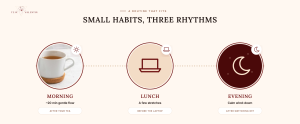
And please don’t feel that every session needs to be the same. Some days, you might have the energy for a complete practice. On other days, three deep breaths and a few gentle stretches might be enough. Both are valid… your routine should support you, not control you.
You can also connect yoga with something you already do. Practise after making your morning tea, stretch before opening your laptop or spend a few minutes breathing after switching off your computer. Small habits are often easier to maintain than complicated routines.
Most importantly, give yourself permission to stop working when you need to. Maybe you decide not to check emails after dinner, keep your phone away during bedtime or spend a few minutes stretching before relaxing. These little boundaries remind you that your time belongs to you, too.
When Personalized Yoga Guidance May Be Helpful for High-Achieving Women
Sometimes, knowing that yoga could help isn’t enough. You might want to start but have no idea which poses to try, how much time to spend practising or what kind of yoga would suit your energy levels.
That’s where personalized guidance can make things easier. Instead of searching through endless videos or trying routines that don’t feel right, you can receive guidance that considers your experience, schedule and physical comfort.
Personalized yoga support may be particularly helpful if:

- Limited Experience: You’ve never tried yoga or haven’t practised in years and would feel more comfortable with someone guiding you through the basics.
- Busy Schedules: You need shorter sessions that fit around your actual working hours, family responsibilities and personal commitments.
- Physical Limitations: You experience stiffness, discomfort or have a previous injury that may require adjusted movements and suitable modifications.
- Practice Uncertainty: You’re unsure whether gentle Hatha, restorative or Kundalini yoga would suit your current needs and energy levels.
- Accountability Needs: You find it easier to stay consistent when someone supports your progress and helps you maintain a realistic routine.
Start Your Stress Relief Yoga Journey With Teja Valentin!
You spend so much time looking after your work, responsibilities, and everyone around you that your own well-being often gets pushed aside. But you deserve to feel calm, rested, and connected to yourself, too. You don’t have to wait until burnout takes over to start making that change.
Through my yoga sessions, I, Teja Valentin, help you create space to slow down, release built-up tension, and reconnect with your body. Whether you prefer Kundalini Yoga, gentle movement, or a calming evening practice, we can find an approach that fits your routine without making your already busy schedule feel heavier.
You don’t need to be flexible, experienced, or perfect to begin… you just need to give yourself permission to pause. Explore my yoga sessions or Kundalini Yoga classes, and let’s make your well-being part of your routine again. Book your session with me and take that first step towards feeling more balanced, present, and energised.

Frequently Asked Questions (FAQs)
Q1. Can yoga really help with burnout?
Yoga can support relaxation, stress management and body awareness, but it isn’t a cure for burnout. Research shows clearer benefits for perceived stress than burnout itself. It works best alongside proper rest, healthier boundaries and professional support when needed.
Q2. How often should I practise yoga to feel less stressed?
You don’t need to practise for hours. Even 10 to 20 minutes a few times a week can be a manageable starting point. Short breathing and stretching breaks count, too. Find a routine that feels comfortable rather than forcing yourself.
Q3. I’m not flexible. Can I still practise yoga?
Absolutely! You don’t need to touch your toes or perform complicated poses. Flexibility develops gradually, and good classes offer modifications to help you move comfortably. Focus on how your body feels instead of worrying about how poses look.
Q4. Is online yoga as effective as going to a studio?
Online yoga can make practising easier because you can join from home, save travelling time and choose sessions around your schedule. Look for classes with clear instructions and modifications, and consult your healthcare provider if you have an injury or health concern.
