

Have you ever looked at yourself and felt that you should be doing better, looking better, or handling life differently? Maybe you compare yourself with other women, replay conversations, or focus on your mistakes instead of appreciating what you’ve done well. Even when others see your strengths, you might struggle to see them yourself. and that can slowly affect how you feel about who you are.
These feelings can build over time through criticism, difficult relationships, unrealistic expectations, or always putting others first. Eventually, being kind to yourself can feel unfamiliar. Reiki healing offers a complementary wellness experience where you can step away from everyday pressure, relax, and reconnect with your own needs.
Reiki isn’t a cure for low self-esteem or a promise of instant confidence. However, it can give you a quiet space to focus on your well-being without worrying about anyone else’s expectations. Let’s look at how self-love and confidence shape everyday life, and how Reiki may become part of your self-care journey. at a pace that feels right for you.
Why Women May Struggle With Self-Love and Personal Confidence
Women may struggle with self-love when they spend more time noticing what they believe is wrong with themselves than appreciating who they are. Beauty standards, career pressure, social comparisons, and other people’s expectations can make you feel as though you’re never doing quite enough. You might question your appearance, doubt your abilities, or compare your life with someone else’s while overlooking the progress you’ve made.
Past experiences can make these feelings even harder to move past. Rejection, harsh criticism, painful relationships, and years of putting other people first may leave you feeling disconnected from your own needs and personal worth. According to BACP’s 2024 survey, 49% of 1,000 UK women experience self-esteem struggles. Although every woman’s experience is different, these findings show that self-doubt is something many women face. even when they don’t talk about it openly.
How a Lack of Self-Acceptance Can Influence Everyday Decisions
A lack of self-acceptance can affect the way you make decisions, communicate with others, and respond to new opportunities. When you find it difficult to recognize your own worth, even simple choices can bring up questions like, “What if they don’t agree with me?” or “What if I get it wrong?” Over time, these doubts may lead you to put your own preferences aside or avoid situations where you could grow.
The BACP survey found that 54% of women said self-esteem affects their daily decisions, while 48% said it holds them back from new opportunities. You may recognize some of these patterns in your life:
- Difficulty Setting Boundaries: Saying “no” can feel uncomfortable when you worry about disappointing someone, so you agree to things even when they don’t feel right for you.
- Seeking Constant Approval: You may depend on other people’s opinions before making decisions, making it harder to trust your own judgment.
- Avoiding New Opportunities: Fear of failure or criticism can stop you from trying something unfamiliar, even when it’s something you genuinely want.
- Ignoring Personal Needs: Work, family, and other responsibilities may keep coming first, leaving little time or energy for your own well-being.
- Questioning Personal Achievements: Instead of feeling proud of what you’ve accomplished, you might dismiss it with thoughts like, “It wasn’t that difficult” or “Anyone could have done it.”
- Struggling to Express Opinions: Worrying about how others might react can make you hold back your thoughts, feelings, and preferences.
Recognizing these habits doesn’t mean there’s something wrong with you. it simply gives you a chance to understand how self-doubt shows up in your life and where you may want to respond to yourself with more kindness.
How Reiki Creates Space for Stillness and Personal Reflection
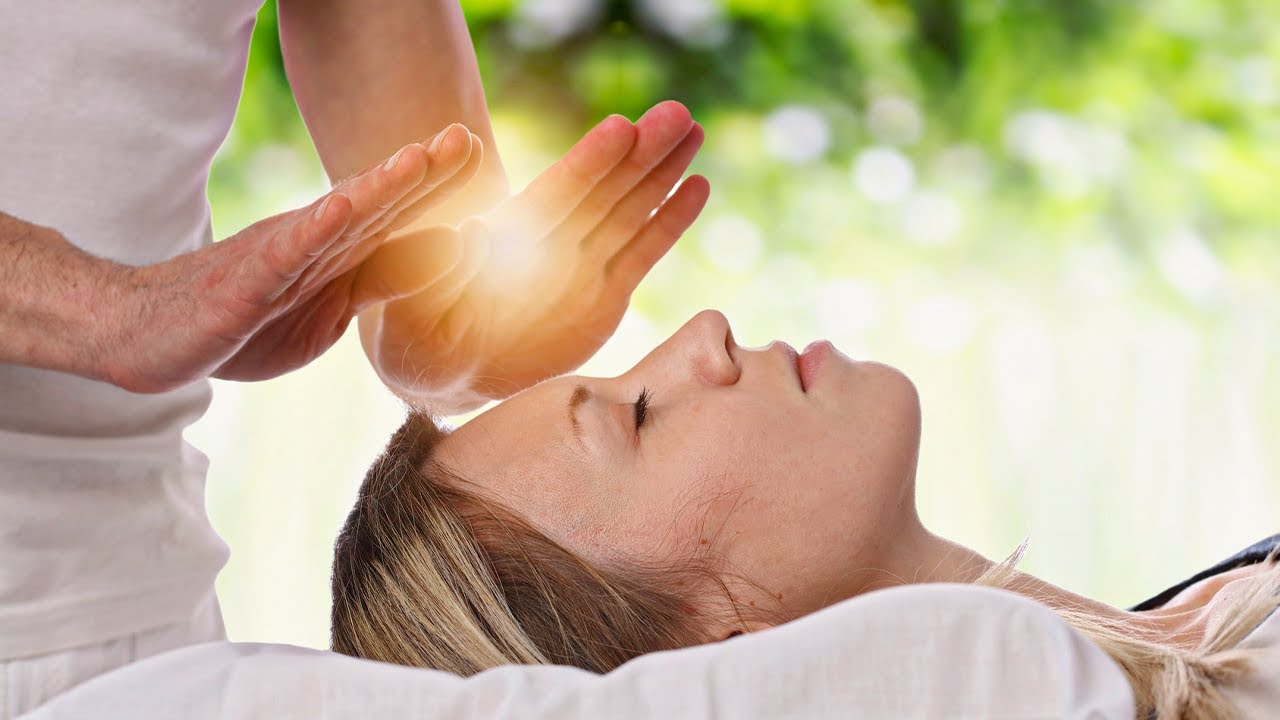
Reiki creates an opportunity to step away from everyday responsibilities and spend dedicated time focusing on your own well-being. According to the National Center for Complementary and Integrative Health (NCCIH), Reiki is a complementary approach in which practitioners place their hands lightly on or just above the body. During a session, you can settle into a quieter environment, relax, and give yourself a break from the usual demands of the day.
That time doesn’t have to be about finding answers or fixing everything you’re feeling. Instead, you can simply pay attention to your own experience. without rushing, comparing yourself with others, or worrying about what needs to happen next. A Reiki session may offer space for moments like these:
- Making Time to Pause: Setting aside a session gives you a break from your usual responsibilities and creates time that belongs to you.
- Creating a Calm Environment: A peaceful setting can help you feel more comfortable as you step away from everyday distractions.
- Paying Attention to Personal Experiences: Having a quiet moment gives you room to notice your thoughts and feelings instead of immediately pushing them aside.
- Practicing Mindful Awareness: Focusing on the present moment can help you become more aware of what you’re experiencing right now.
- Allowing Space for Self-Reflection: Time away from daily demands gives you an opportunity to consider your needs, feelings, and personal intentions.
- Prioritizing Personal Well-Being: Choosing to make time for yourself is a meaningful way to recognize that your needs matter, too.
5 Self-Love Themes Women Can Explore During a Reiki Journey
Self-love means recognizing your worth, understanding your needs, and accepting that you don’t have to be perfect to deserve kindness. It’s not about feeling confident every single day or liking everything about yourself; it’s about building a more understanding relationship with who you are.
A Reiki session can give you quiet time to reflect on different parts of that relationship, although every woman’s experience is personal and Reiki doesn’t guarantee any emotional or psychological outcome. Here are 5 self-love themes you may wish to reflect on during your Reiki journey:
1. Practicing Self-Acceptance Without Unrealistic Expectations
Self-acceptance begins when you allow yourself to be human, with strengths, imperfections, and room to grow. You don’t have to wait until you’ve reached a particular goal, changed your appearance, or figured everything out before treating yourself with kindness. Instead, you can start by noticing how you speak to yourself and whether your expectations leave enough room for mistakes and personal growth.
During a Reiki journey, quiet time may allow you to reflect on the standards you place on yourself. You might begin asking, “Would I expect someone I care about to be this hard on themselves?” That small shift in perspective can help you consider a kinder way of treating yourself. without feeling pressured to change everything at once.
You can begin exploring self-acceptance through small, meaningful practices such as:
- Accepting personal imperfections.
- Recognizing individual strengths.
- Releasing unrealistic expectations.
- Practicing patience with yourself.
- Appreciating personal growth.
2. Developing a Kinder Relationship With Yourself
A kinder relationship with yourself begins when you notice the difference between how you treat yourself and how you treat the people you care about. You might comfort a friend after a mistake, remind her of her strengths, and tell her that one difficult day doesn’t define her. But when something goes wrong in your own life, do you offer yourself that same understanding. or do you immediately start finding fault with yourself?
Taking time to reflect can help you become more aware of these patterns. As you notice your inner dialogue, you can begin considering how to replace harsh judgment with patience and compassion. This doesn’t mean ignoring your feelings or pretending everything is fine; it means giving yourself the same consideration you would offer someone else.
Some areas you may want to reflect on include:
- Practicing self-compassion.
- Recognizing personal needs.
- Being kinder during difficult moments.
- Making space for personal care.
- Respecting individual limits.
3. Recognizing Personal Worth Beyond External Validation
Your worth isn’t determined by your appearance, career achievements, relationship status, or how much approval you receive from other people. Still, it can be difficult to believe that when you’re used to measuring your success against someone else’s life. You may find yourself waiting for compliments, reassurance, or recognition before feeling good about something you’ve done.
Personal reflection gives you an opportunity to look beyond those outside opinions and consider what you genuinely value about yourself. You can think about the qualities you appreciate, the experiences that have shaped you, and the achievements you may have overlooked. Over time, recognizing your own values can help you make choices that feel more connected to your priorities rather than someone else’s expectations.
You may find it helpful to reflect on areas such as:
- Recognizing personal values.
- Appreciating individual qualities.
- Reducing dependence on approval.
- Acknowledging personal achievements.
- Making decisions based on personal priorities.
4. Building Confidence Through Self-Awareness
Confidence can become easier to understand when you know your strengths, preferences, and personal limits. It doesn’t mean you never feel nervous or question a decision; it means you gradually become more comfortable recognizing what matters to you and making choices that reflect it. When you understand yourself better, you have more room to notice where you already feel capable and where you’d like to build greater self-trust.
A quiet moment of reflection may help you think about situations where you second-guess yourself or overlook your abilities. Instead of criticizing yourself for those moments, you can ask, “What would help me feel more comfortable making this decision?” Recognizing what you need is a useful starting point. and there’s no reason to rush your progress.
You can reflect on confidence through areas such as:
- Identifying personal strengths.
- Understanding individual preferences.
- Recognizing areas for growth.
- Becoming more comfortable with decisions.
- Acknowledging small accomplishments.
5. Making Personal Well-Being a Priority
Your well-being deserves attention even when work, family, and everyday responsibilities keep asking for more of your time. If you’re used to looking after everyone else, setting aside time for yourself may initially feel uncomfortable. You might even feel guilty for resting when there’s still something left to do. but caring for your own needs matters, too.
A Reiki session can be one way to make that time intentional. It gives you an opportunity to pause and consider what helps you feel supported, rested, and comfortable. From there, you can think about small ways to include personal care in your everyday routine rather than waiting until you’re completely exhausted.
You may want to consider making room for:
- Setting aside personal time.
- Creating healthy boundaries.
- Making room for rest.
- Choosing activities that feel meaningful.
- Maintaining a consistent self-care routine.
Recognizing and Changing the Inner Dialogue That Undermines Confidence
Negative self-talk often appears through familiar thoughts like, “I’m not good enough,” “I always get things wrong,” or “Everyone else is doing better than me.” When these thoughts keep repeating, they can influence how you approach relationships, make decisions, and respond to challenges. You might even start treating them as facts instead of recognizing them as thoughts shaped by your experiences and feelings.
One way to work with this pattern is to pause and question what you’re telling yourself. For example, when you catch yourself thinking, “I’m failing,” try considering a more balanced response: “I’m learning, and I don’t have to get everything right.” The aim isn’t to force positive thinking or pretend that difficult feelings don’t exist; it’s to give yourself a fairer way to look at the situation.
You can start with one thought at a time, noticing when self-criticism appears and considering what you might say to a friend in the same situation. A Reiki session may offer quiet time to notice your thoughts and feelings, while building healthier self-talk is a personal process that can continue beyond the session. You don’t have to change your inner dialogue overnight. Small, consistent steps matter, too.
When Reiki May Be a Complementary Part of a Self-Love and Confidence Journey
Reiki may be one complementary wellness practice you choose to include in your self-care routine, particularly if you value having dedicated time for relaxation and reflection. However, it’s important to understand its limitations. The Merck Manual notes that high-quality research on Reiki is limited and findings are mixed. Reiki isn’t a proven treatment for low self-esteem, anxiety, or other mental health concerns, and it should never replace appropriate professional care.
Depending on your preferences and needs, you may consider Reiki as part of your wider well-being routine in situations such as:
- During Periods of Everyday Stress: You may choose a session as dedicated time to relax and take a break from daily responsibilities.
- When Making Time for Yourself Feels Difficult: Booking a session gives you a specific opportunity to focus on your own needs and well-being.
- When Exploring Self-Awareness: A quiet environment can give you room to reflect on your thoughts, feelings, and personal priorities.
- When Building a Mindful Self-Care Routine: Reiki may sit alongside other wellness activities that you already find meaningful.
- When Seeking Complementary Wellness Support: You can consider it as an addition to appropriate professional care, depending on your circumstances.
- When Exploring a Personal Growth Journey: Reiki may form one part of a wider effort to understand yourself, alongside practices such as spiritual life coaching.
If low confidence, persistent self-criticism, or emotional distress is affecting your daily life, consider speaking with a qualified mental health professional. You don’t have to manage those feelings alone, and seeking the right support is itself an important way to care for yourself.
Book a Reiki Healing Session With Teja Valentin to Make Time for Yourself
If you’re looking for a dedicated space to relax and reflect, Teja Valentin’s Reiki healing sessions offer an opportunity to slow down and focus on your well-being. I’m Teja Valentin, a Registered Nurse and Master Reiki Practitioner, and each session begins with a conversation about how you’re feeling and what you’d like to focus on. This gives us a chance to understand your preferences and help you feel comfortable before the session begins.
You don’t have to arrive feeling confident, have everything figured out, or know exactly what you need. sometimes, making a little time for yourself is a meaningful first step. If you’d like to experience a Reiki session, book a session with me and give yourself an opportunity to pause, rest, and focus on your own well-being.
Frequently Asked Questions (FAQs)
Q1. Can Reiki help women develop self-love and confidence?
Reiki offers quiet time to relax and reflect, which some women choose to include alongside other self-care practices. It doesn’t guarantee changes in confidence or self-esteem, and ongoing struggles may benefit from support from a mental health professional.
Q2. What happens during a Reiki healing session?
You begin with a short check-in about how you’re feeling and what you’d like to focus on. Then, you relax while the practitioner uses light touch or holds their hands just above your body.
Q3. How can Reiki support relaxation and personal reflection?
A session provides dedicated time away from everyday distractions, giving you an opportunity to slow down and notice your thoughts and needs. Research on Reiki remains limited and mixed, so it’s best understood as a complementary wellness practice rather than a treatment.
Qq4. Can Reiki be combined with other self-care or wellness practices?
Yes. You can include Reiki alongside activities such as journaling or yoga, as well as appropriate professional care. It should complement, not replace, medical or mental health support when needed.
